Bespoke vs. Stock Furniture: Making the Right Choice for Your Hotel
When should hotel developers invest in custom-made furniture, and when does off-the-shelf make more sense? A practical comparison for FF&E decision-makers.
Every hotel FF&E project faces this fundamental question: build custom or buy from catalog? The answer is rarely all one or the other. Understanding where bespoke adds genuine value — and where it adds only cost — is the mark of an experienced procurement team.
The Case for Bespoke
Custom furniture makes sense when:
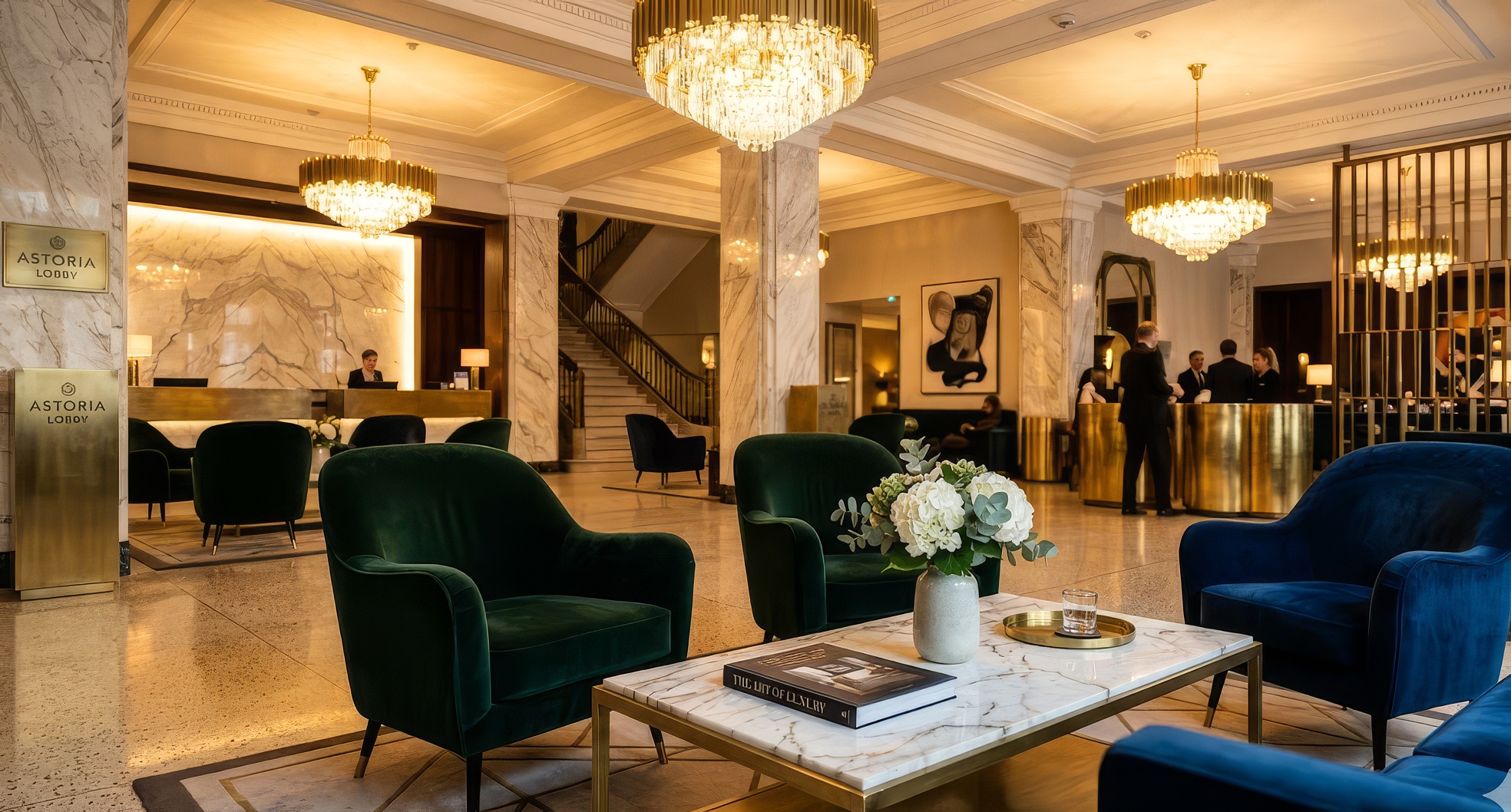
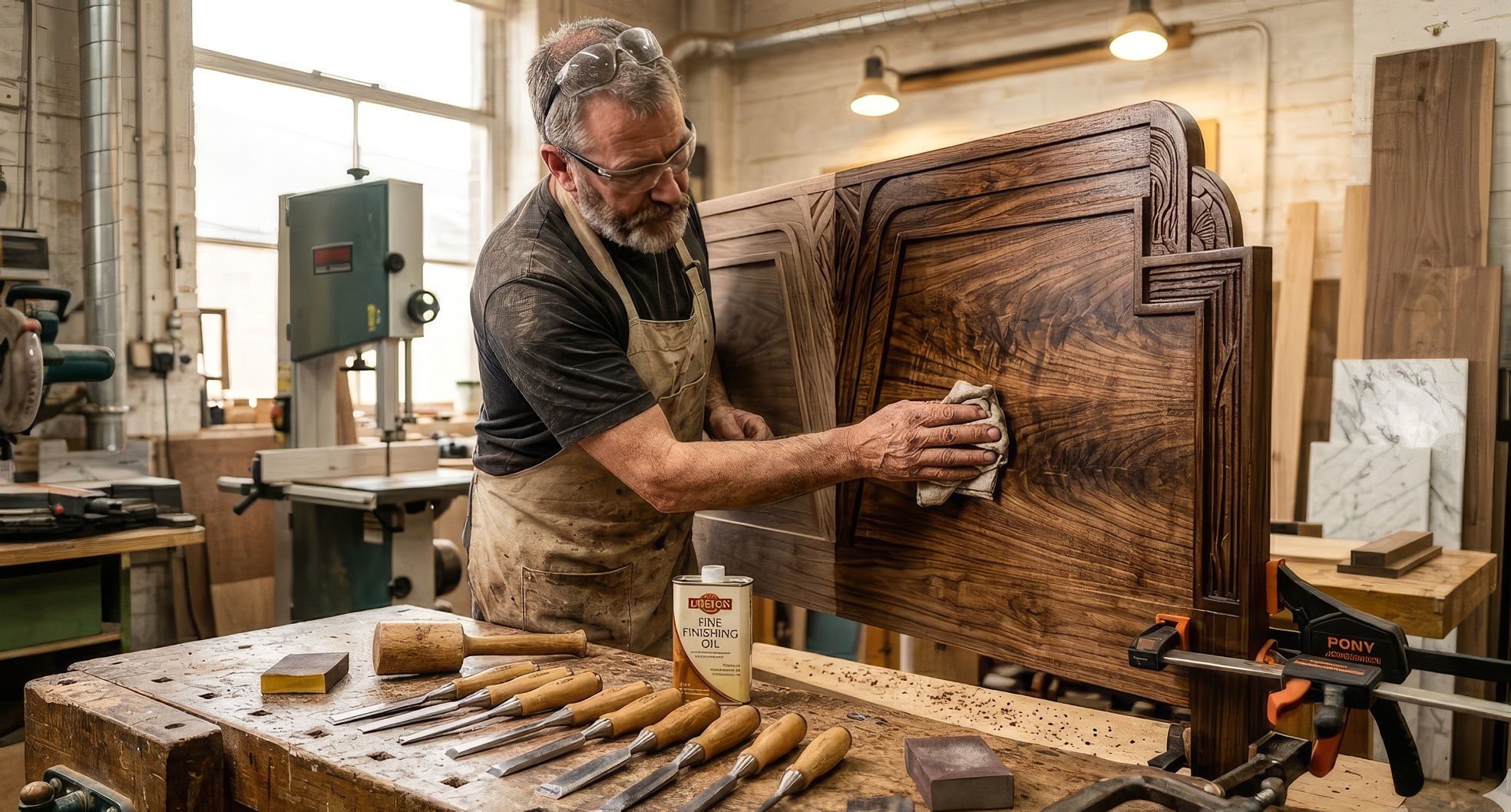
Brand differentiation matters. A luxury resort competing on design identity needs furniture that can’t be found in a competitor’s lobby. Bespoke headboards, custom credenzas, and signature lobby pieces create memorable spaces.
Spaces are non-standard. Curved walls, unusual ceiling heights, or irregular room layouts demand furniture built to fit. Trying to force standard dimensions into non-standard spaces always looks compromised.
Operator standards require it. International hotel brands like Marriott, Hilton, and IHG have specific FF&E standards that often require custom production to exact specifications — drawer configurations, finish types, hardware selections.
Volume justifies tooling. At 100+ rooms, the per-unit cost of bespoke approaches stock pricing because the tooling and setup costs are amortized across volume.
The Case for Stock
Off-the-shelf or semi-custom furniture works well for:
Back-of-house areas. Staff areas, storage rooms, and offices don’t need custom treatment. Contract-grade stock furniture serves perfectly.
Common area accent pieces. A well-chosen designer lamp or lounge chair from an established manufacturer can anchor a space without the lead time of bespoke production.
Tight timelines. When the schedule doesn’t allow 8–10 months for custom production, stock items with minor modifications (different fabrics, finishes) offer a practical middle ground.
Budget-driven projects. 3-star and economy hotels where guest expectations center on cleanliness and functionality rather than design distinctiveness.
The Hybrid Approach
Most successful hotel FF&E projects blend both:
- Bespoke for guest rooms (headboards, desks, wardrobes, bathroom vanities), lobby centerpieces, and restaurant furniture where the design concept demands it
- Stock or semi-custom for corridor furniture, back-of-house, meeting room basics, and pool/gym areas
This approach concentrates the design budget where guests spend the most time — in the room — while maintaining practicality elsewhere.
Cost Comparison
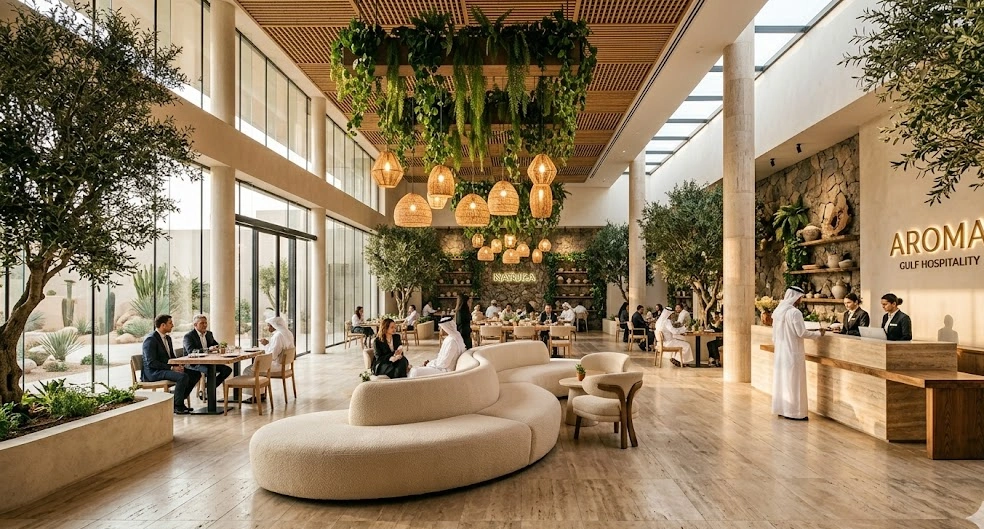
For a 120-room, 4-star hotel in the Gulf:
| Category | Bespoke | Stock/Semi-Custom |
|---|---|---|
| Guest room set | AED 25,000–40,000 | AED 15,000–22,000 |
| Lead time | 10–14 weeks | 4–8 weeks |
| Design flexibility | Unlimited | Limited to catalog options |
| Brand consistency | Guaranteed | Depends on availability |
| Replacement availability | Reorder from manufacturer | Subject to discontinuation |
The premium for bespoke is typically 30–50%, but the gap narrows significantly at higher volumes.
Quality Considerations
Bespoke doesn’t automatically mean better quality. A well-engineered stock piece from a reputable manufacturer may outlast a poorly managed custom production. What matters is:
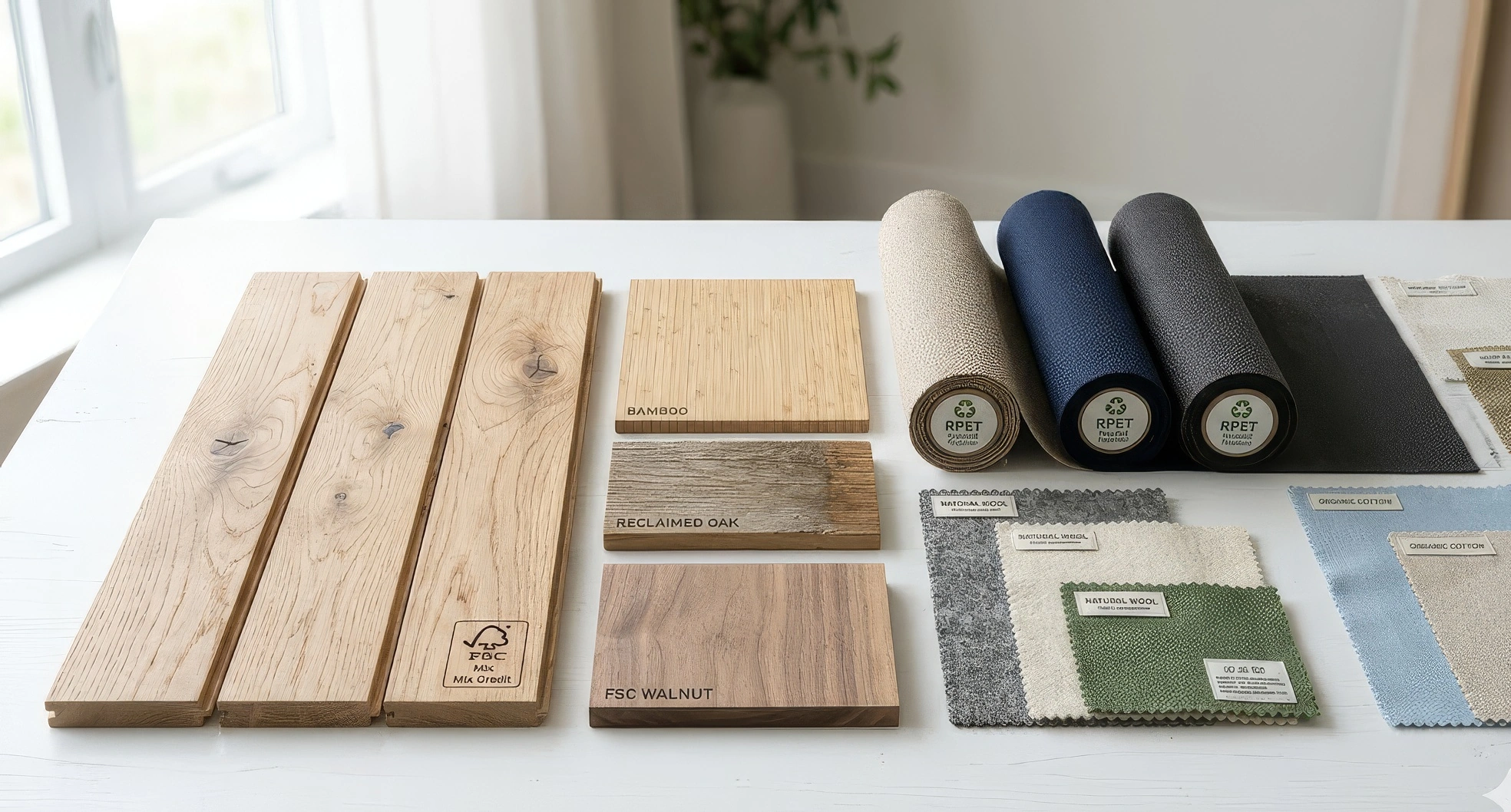
- Material selection (solid wood joints vs. cam-lock assembly)
- Hardware quality (soft-close hinges, drawer slides rated for 50,000+ cycles)
- Finish durability (conversion varnish vs. lacquer)
- Fire rating compliance
At BSA Trading, we apply the same quality control standards to both bespoke and sourced items — factory audits, material testing, and pre-shipment inspections.
Making the Decision
Start with the guest experience and work backward. Where will custom furniture meaningfully elevate the stay? Where is it invisible? That analysis, combined with honest budgeting and timeline assessment, will guide the right mix.