FF&E Trends Shaping Gulf Hospitality in 2026
From biophilic design to tech-integrated furniture — the trends driving hotel furniture and interior decisions across the GCC this year.
The Gulf hospitality market continues to expand at an extraordinary pace. Saudi Arabia’s Vision 2030 alone targets 150 million annual visits. The UAE, Qatar, and Bahrain are deepening their tourism infrastructure. This expansion is reshaping how hotels approach FF&E — the furniture, fixtures, and equipment that define the guest experience.
Here are the trends we’re seeing across projects in 2026.
Biophilic Design Goes Mainstream
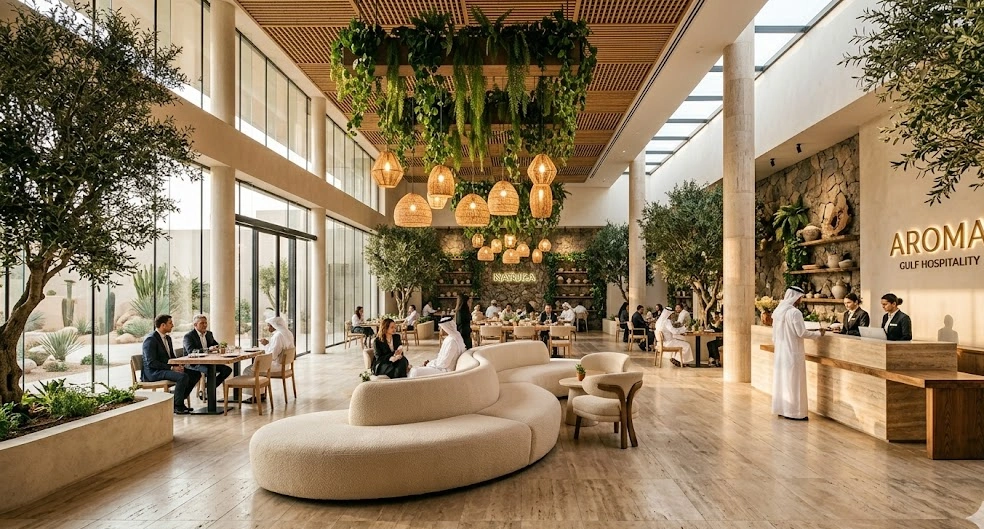
What started as a wellness trend has become a design standard. Hotels across the Gulf are integrating natural elements not as accents but as foundational design principles:
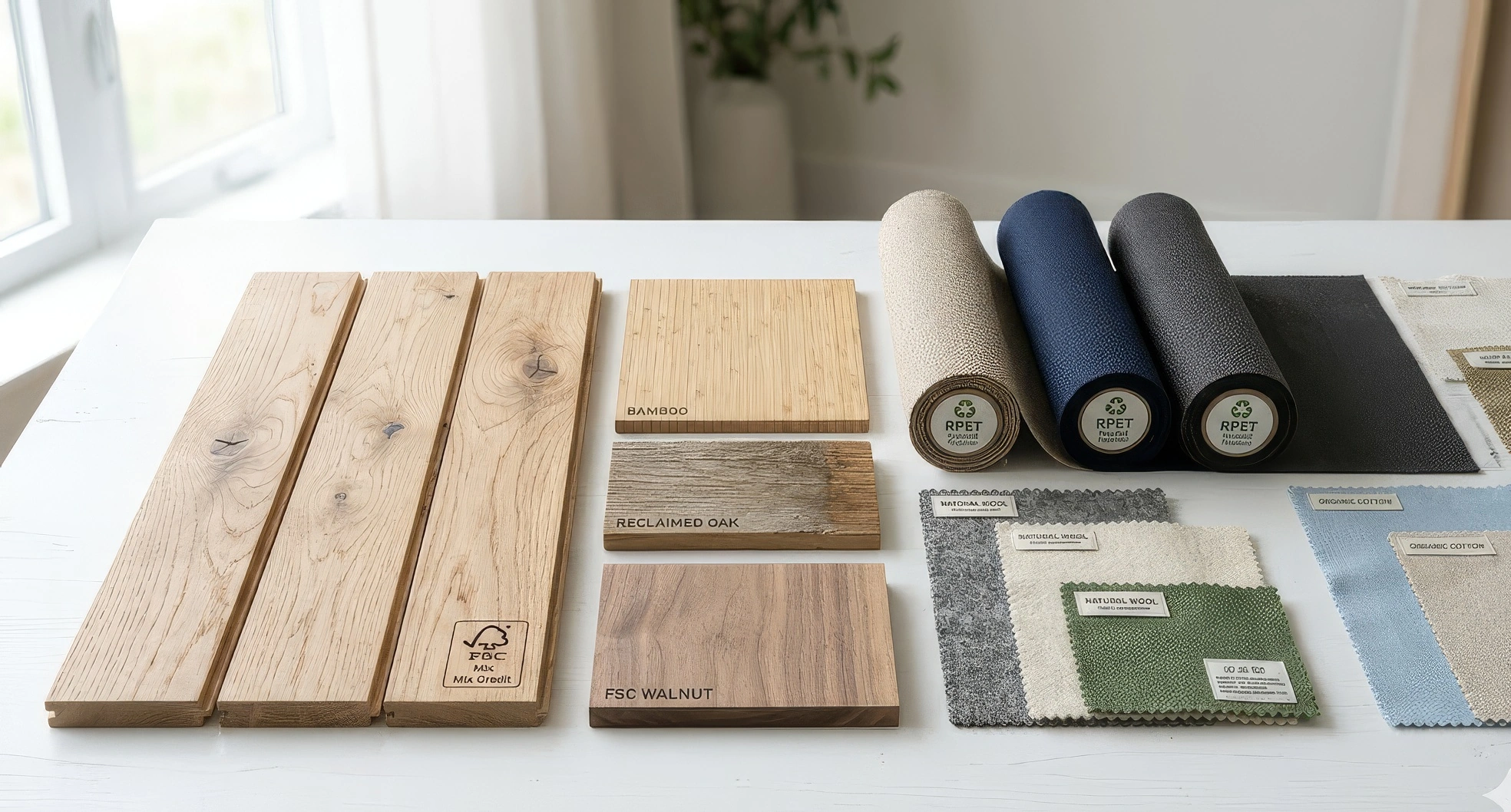
- Natural wood finishes replacing high-gloss lacquer — warm oak, walnut, and ash tones dominate
- Stone and terrazzo appearing in furniture elements, not just flooring
- Indoor planting integrated into furniture — built-in planter credenzas, green wall frames
- Organic shapes replacing rigid geometry — curved headboards, rounded dining tables, freeform lobby seating
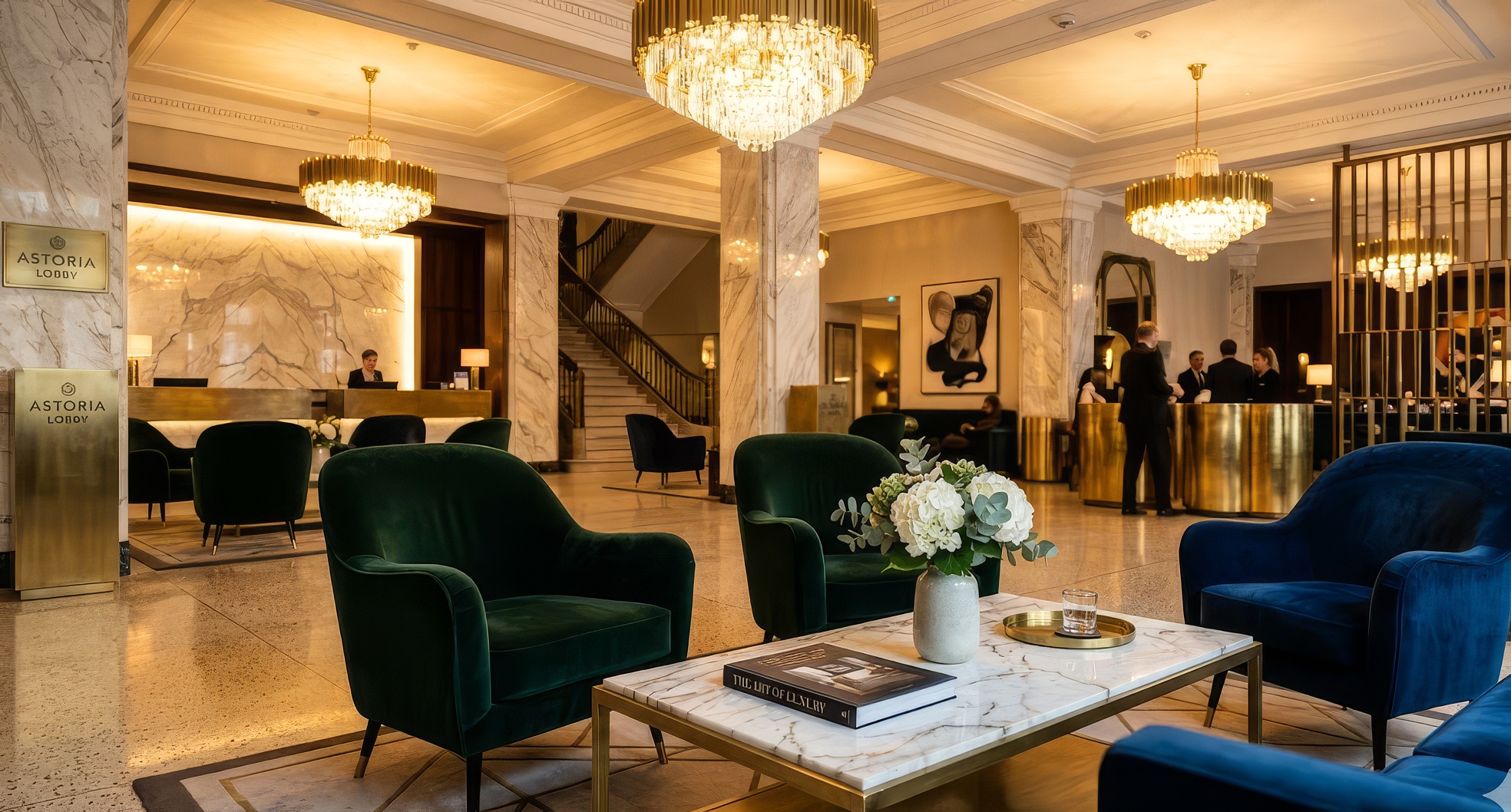
This trend aligns with guest wellness expectations and performs well in the Gulf’s climate-controlled interiors, where natural texture creates warmth against marble and glass architecture.
Modular and Flexible Spaces
The rigid room type hierarchy (standard, superior, suite) is giving way to more adaptive concepts:
- Convertible desks that transform into dining surfaces or vanities
- Modular lobby furniture that reconfigures for events, co-working, or social dining
- Room-within-a-room concepts using furniture as spatial dividers instead of walls
Hotels are recognizing that guests use spaces differently than designers intended. FF&E that adapts to actual behavior — rather than prescribed behavior — generates better reviews and higher RevPAR.
Artisan and Locally Sourced Elements
International hotel brands are moving away from the “could be anywhere” aesthetic:
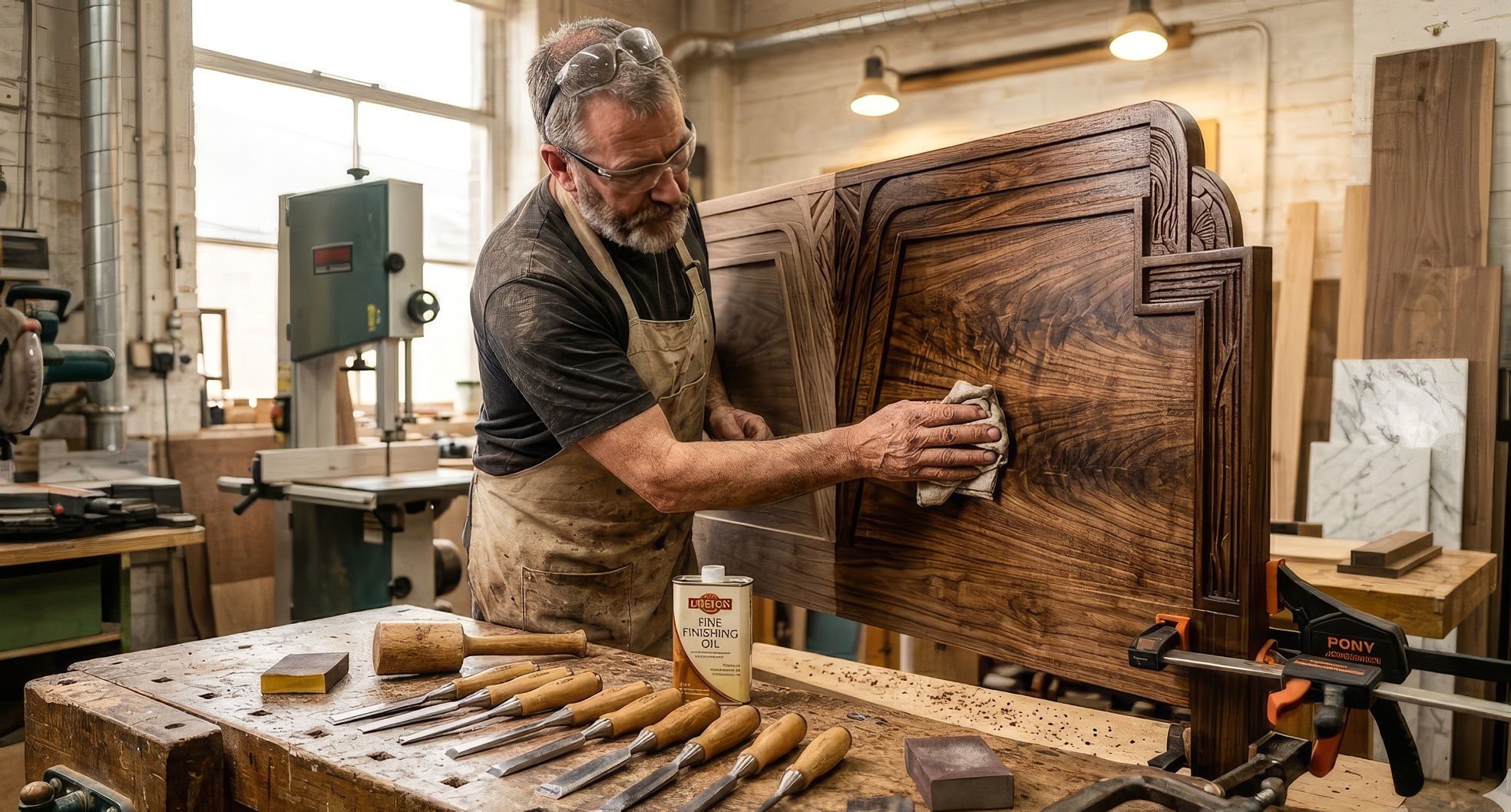
- Regional craftsmanship incorporated into headboards, screens, and decorative elements — Arabic geometric patterns, traditional weaving, metalwork
- Locally sourced materials for accent pieces — Gulf limestone, regional textiles
- Artist collaborations for one-of-a-kind lobby installations
This trend responds to guest demand for authentic experiences and to brand strategies differentiating properties within the same chain. A Marriott in Riyadh should feel distinct from a Marriott in Bangkok.
Technology Integration
Tech is being embedded into furniture rather than bolted on:
- Wireless charging surfaces built into bedside tables and desks
- Integrated USB-C and power outlets designed into furniture profiles rather than added as aftermarket boxes
- Motorized curtain tracks and lighting controlled from bedside panels integrated into the headboard
- Cable management engineered into desks and media units from the design stage
The key development is that technology is disappearing into the furniture rather than competing with it visually. Hidden tech, seamless surfaces.
Outdoor Living
Gulf hospitality is expanding outdoor FF&E significantly:
- Performance fabrics (Sunbrella, Outdura) enabling upholstered comfort in outdoor settings
- Weather-resistant materials — teak, aluminum, high-density polyethylene weave
- Outdoor kitchens and dining as standard for resort F&B concepts
- Pool and beach furniture moving upmarket — daybeds, cabanas, and loungers with resort-grade cushioning
With the UAE and Saudi Arabia investing in beach and desert tourism, outdoor FF&E quality is becoming as important as indoor specifications.
Warm Minimalism
The maximalist trend peaked. Gulf hotels in 2026 are gravitating toward:
- Reduced furniture density — fewer pieces, each more considered
- Muted earth tones — warm whites, sand, clay, sage
- Textural richness replacing ornamental complexity — bouclé, linen, raw silk, travertine
- Concealed storage keeping surfaces clean and uncluttered
This aesthetic costs less in unit count but demands higher quality per piece. Every item is visible and must justify its presence.
What This Means for Procurement
These trends have practical implications for FF&E procurement:
- Longer design development — biophilic and artisan elements require more prototyping
- Material diversification — natural finishes demand broader supplier networks
- Higher per-unit quality — minimal spaces expose poor craftsmanship
- Tech coordination — furniture with integrated technology requires early coordination with MEP consultants
- Outdoor budget allocation — historically underfunded, outdoor FF&E now commands 15–20% of total budget
At BSA Trading, we’re seeing these trends reflected in every new project brief. Our manufacturing partners have adapted their capabilities accordingly — expanding natural finish options, investing in CNC routing for organic shapes, and developing furniture-integrated power solutions.