Bespoke vs Stock Hotel Furniture: How to Choose
A professional guide to deciding where hotel projects should use bespoke furniture, stock contract furniture, or a hybrid FF&E package across guest rooms, lobbies, restaurants, outdoor areas, and back-of-house.
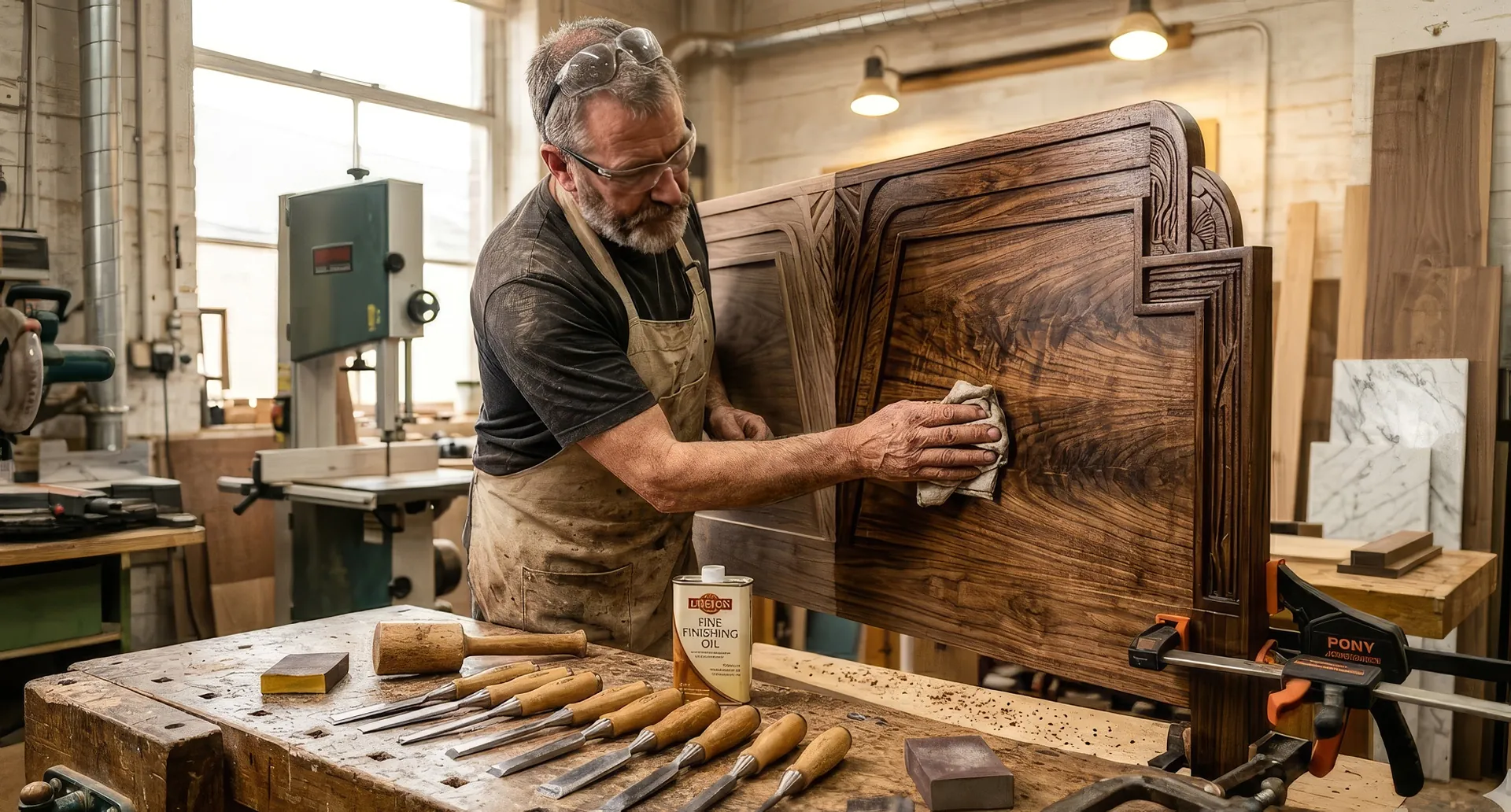
Every hotel FF&E project eventually reaches the same decision: should this item be made bespoke, selected from stock, or handled as a semi-custom adaptation? The answer is rarely one direction for the whole property. The strongest hotel furniture packages use custom manufacturing where it changes the guest experience, and stock or semi-custom pieces where speed, replacement availability, and cost control matter more.
The problem is that the discussion is often framed too simply. “Bespoke” is treated as luxury and “stock” as budget. In real procurement, both can be excellent or poor depending on the item, the supplier, the specification, and the way the hotel will operate after opening.
Professional rule: custom furniture should solve a project-specific problem. If the only reason for making an item bespoke is that the design image looks attractive, you may be buying extra risk without buying extra value.
What bespoke furniture actually means
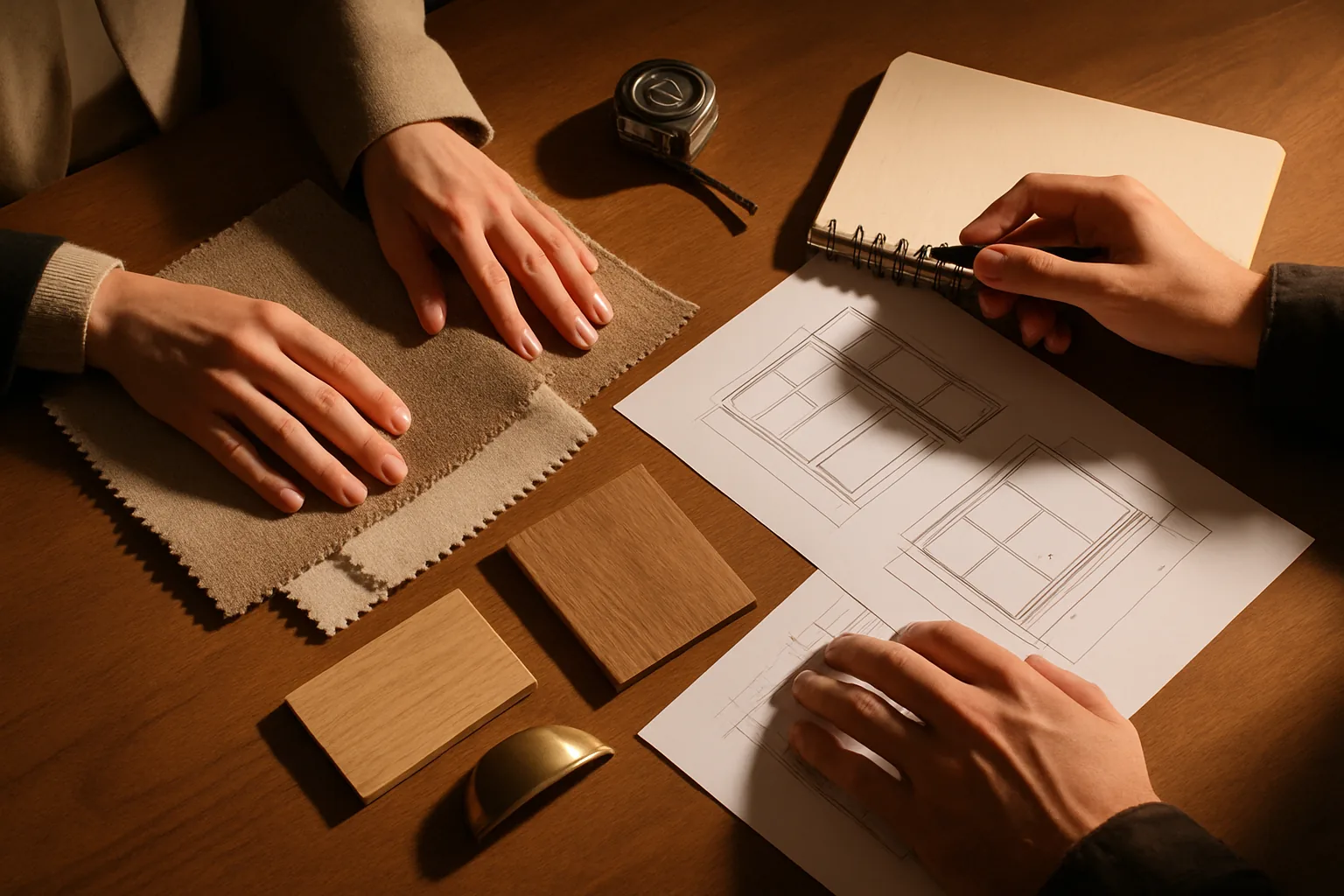
Bespoke hotel furniture is not just a modified catalogue item. It usually involves:
- Design intent review with the interior designer
- Technical drawings and dimensions for the exact room type or public area
- Material selection, veneer direction, upholstery reference, metal finish, and hardware
- Engineering for durability, cleaning, and maintenance
- Prototype or mock-up production
- Operator or owner approval
- Series production with QC checks
- Packing, shipment, installation, and snagging
The custom process is valuable because it gives control. A bespoke headboard can align exactly with power points and bedside lighting. A custom minibar unit can solve ventilation, safe placement, and luggage storage in one clean module. A lobby sofa can be sized to the architectural rhythm of the space rather than squeezed between columns.
Where bespoke furniture earns its place
Guest room casegoods
Guest rooms are where bespoke often makes the most commercial sense. A small dimension error repeats across every key, so a custom engineered package is often safer than forcing stock furniture into a non-standard room.
Typical bespoke guest-room items include:
| Item | Why bespoke helps |
|---|---|
| Headboards | Aligns lighting, switches, sockets, wall panels, and bed sizes |
| Bedside tables | Controls drawer layout, cable access, stone or laminate top, housekeeping durability |
| Desks and vanity units | Fits room geometry, chair clearance, mirror location, and power modules |
| Wardrobes and minibar units | Solves safe, hanging, fridge ventilation, luggage, and housekeeping flow |
| TV units and luggage benches | Matches wall length, finishes, and operational use |
For a 150-key hotel, the engineering cost of a bespoke room package is spread across volume. The return is not just aesthetics; it is consistency and fewer installation compromises.
Lobby and public-area signature pieces
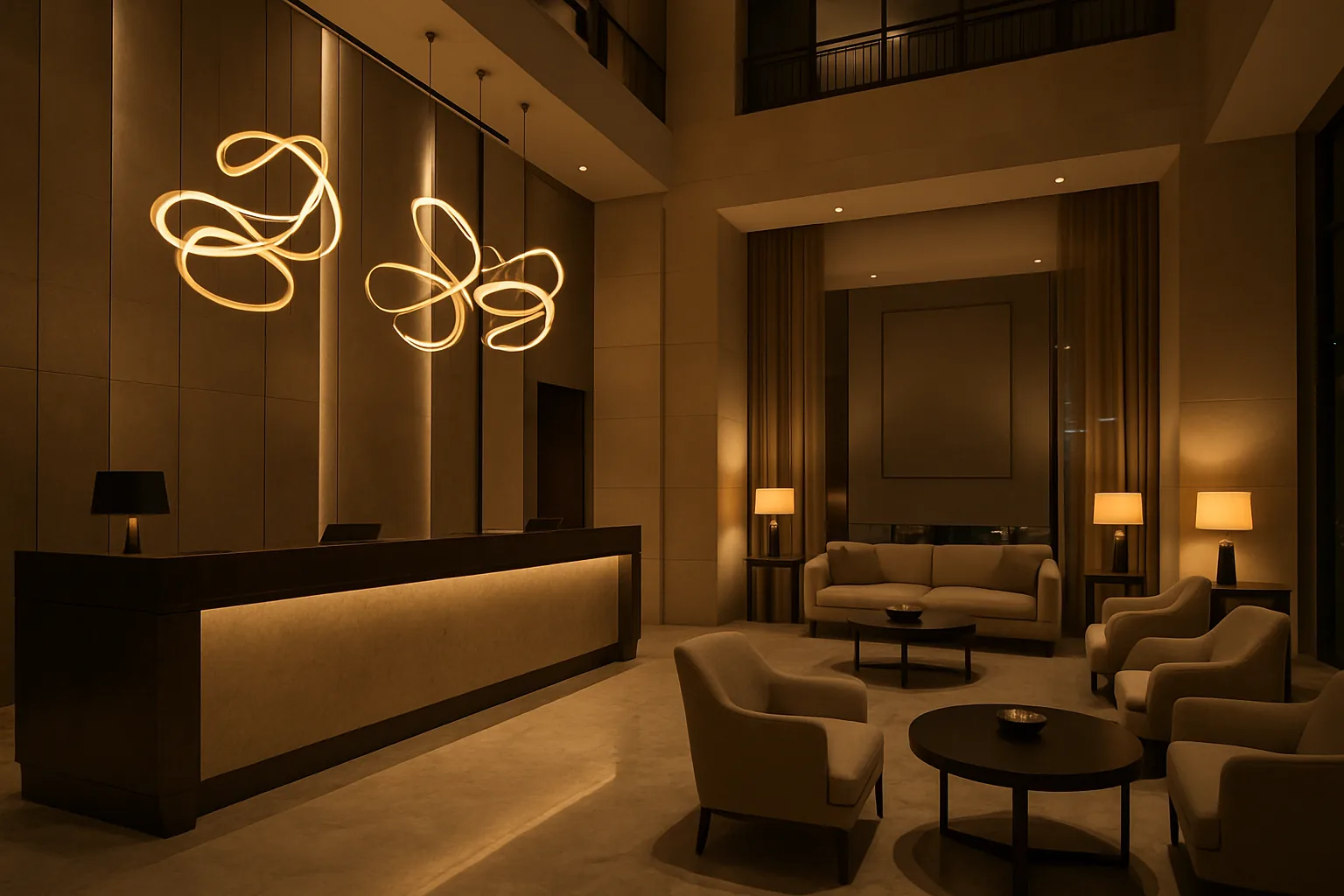
Reception desks, concierge counters, oversized lounge sofas, feature consoles, and sculptural tables often need bespoke production. These are the pieces guests remember and photograph. They also carry heavy operational load: luggage impact, coffee spills, check-in traffic, and constant cleaning.
Here, bespoke production allows:
- Reinforced structure under refined finishes
- Stone, veneer, metal, and upholstery coordination
- Cable management for reception and concierge counters
- Replaceable panels where wear is predictable
- Exact sizing for circulation and accessible routes
Restaurant banquettes and bar furniture
Banquettes are almost always custom because they are tied to the seating plan, wall geometry, table size, service aisle, and acoustic behaviour of the outlet. A banquette that is 40 mm too deep or too upright can reduce covers, make service awkward, and create guest discomfort.
Bar counters, bar stools, buffet stations, waiter stations, and host desks also benefit from custom coordination because F&B furniture is both guest-facing and operational.
Where stock or semi-custom is smarter
Stock is not the enemy. Good contract stock furniture has been tested, refined, documented, and produced many times. It is often the better choice when the item does not need to carry the design identity of the hotel.
Strong stock or semi-custom use cases include:
- Back-of-house desks and task chairs
- Staff dining tables and chairs
- Meeting room basics
- Secondary loose lounge chairs
- Standard outdoor loungers and side tables
- Simple corridor consoles
- Replacement-prone items where continuity matters
The mistake is using residential stock furniture in a hotel. A retail chair may look similar in a presentation, but it usually lacks contract foam, proper joinery, spare-part continuity, fire documentation, and upholstery performance.
The hybrid model most hotels should use
For many GCC hotels, the best answer is a hybrid package:
| Area | Recommended approach |
|---|---|
| Guest-room casegoods | Bespoke or semi-custom |
| Guest-room loose chair | Semi-custom contract range |
| Lobby reception and feature seating | Bespoke |
| Secondary lobby chairs and side tables | Semi-custom |
| Restaurant banquettes | Bespoke |
| Restaurant loose chairs | Custom or semi-custom, depending on concept |
| Outdoor pool and beach | Contract stock or semi-custom outdoor ranges |
| Back-of-house | Stock contract furniture |
This keeps design budget concentrated where guests notice it and operational teams live with it every day.
Cost and programme comparison
For a hotel owner comparing options, the useful comparison is not unit price alone. It is total installed cost, delivery risk, quality risk, and replacement strategy.
| Factor | Bespoke | Semi-custom | Stock contract |
|---|---|---|---|
| Design flexibility | Highest | Medium | Lowest |
| Typical production lead time | 10-18 weeks | 6-12 weeks | 4-8 weeks |
| Prototype need | Usually yes | Sometimes | Rarely |
| Replacement continuity | Controlled by supplier | Good if range stays active | Depends on catalogue lifecycle |
| Best use | Rooms, lobbies, banquettes, special pieces | Chairs, tables, casegoods variations | BOH, outdoor basics, simple loose items |
Bespoke can carry a 25-50% premium on the first unit because of engineering, sampling, and setup. At volume, especially across 100+ rooms, that premium often narrows significantly.
Quality: bespoke does not automatically mean better
Poor custom furniture is worse than good stock furniture. A bespoke piece with weak substrate, bad edge banding, poor foam, or no fire documentation is still a bad piece. Procurement teams should judge both bespoke and stock by the same criteria:
- Contract-grade frame construction
- Suitable substrate and veneer for humidity and cleaning
- Commercial-grade hardware and glides
- Upholstery rub count and stain resistance
- Foam density and fire rating
- Finish durability and repairability
- Packing method suitable for site handling
- Warranty and spare-parts plan
For upholstered items, ask for the fabric-and-foam fire test certificate, not only a fabric sample. For casegoods, ask how edges, high-touch surfaces, and hidden fixings will be protected.
How to brief suppliers correctly
Before asking for prices, prepare a supplier brief with:
- Room matrix and quantities
- FF&E schedule with item codes
- Design intent images
- Technical drawings where available
- Finish schedule and fabric references
- Fire-rating requirements
- Brand-standard requirements
- Target opening date and required delivery phases
- Installation scope
- Warranty and replacement expectations
Without this, bespoke quotes become inconsistent and stock alternatives become impossible to compare.
The BSA view
BSA Trading supplies both bespoke and sourced contract furniture because hotel projects need both. We use custom production for guest-room packages, lobby counters, banquettes, signature seating, wardrobes, minibar units, and project-specific casegoods. We use contract stock or semi-custom production where it protects budget and timeline without weakening the guest experience.
The right decision is not “custom everywhere” or “stock everywhere.” The right decision is item-by-item, based on use, visibility, volume, timeline, and long-term maintenance.