Fabrics & Upholstery · Furniture specification
Natural Linen Upholstery Furniture Specifications
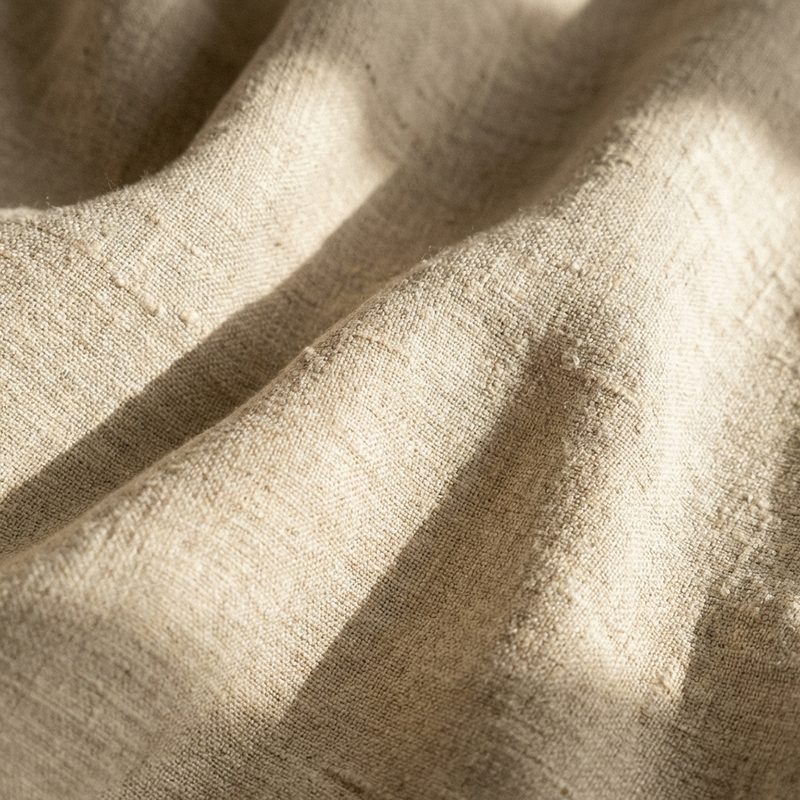
A breathable natural textile with visible slub and relaxed character, best used where natural variation is accepted as part of the specification.
Current material reference
100% linen reference; enzyme-washed soft handle
Material guidance · supplier data required for approval
Material decision summary
Project suitability at a glance.
Select the exact textile by end use, cleaning regime and verified test data; fibre content or abrasion alone is not enough.
Best for
- +Low-traffic residential and guestroom accents with a relaxed natural appearance
Avoid when
- −High-abrasion seating or easy stain removal is required
- Traffic level
- Low
- Maintenance
- High
- Visual variation
- High
- Relative budget
- ●●●○
- Suitable environments
- Interior
Material overview
Most requested furniture applications
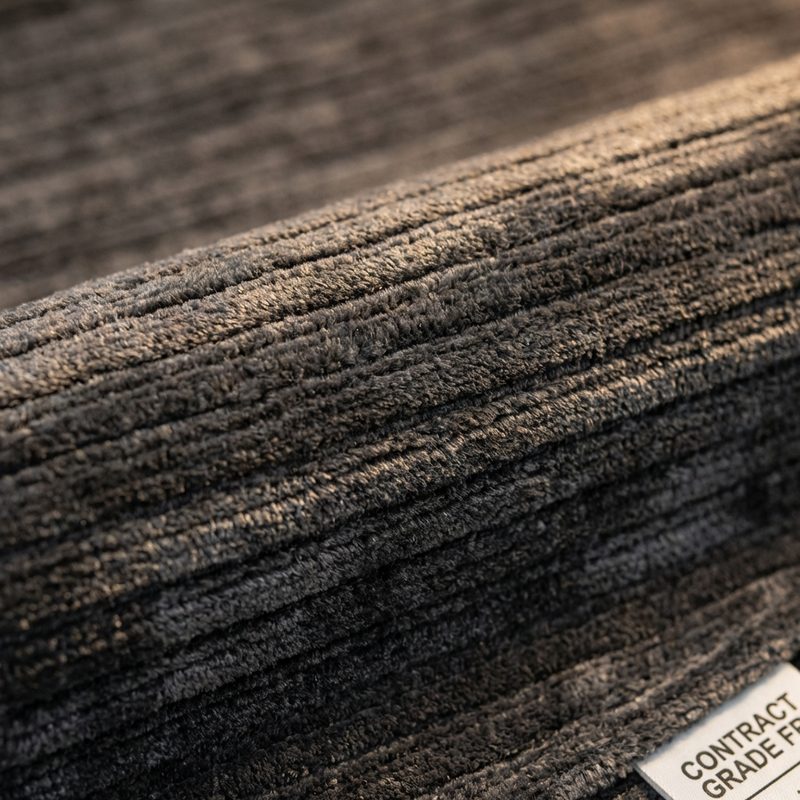
Specify abrasion, cleaning method, flame performance, lightfastness, colourfastness, pilling, width and repeat according to the exact furniture location. “Contract grade” alone is not a complete specification.
Material-specific authority schedule
Ten controls owned by this exact material—not inherited category rows. Final values are confirmed from supplier data, the project sample and shop drawings.
- Declared project reference
- Natural Linen Upholstery: 100% linen reference; enzyme-washed soft handle
- Exact material identity
- Natural linen or linen-rich upholstery; exact fibre blend, finish, weight and performance require article-specific data.
- Technical system definition
- A natural flax-fibre upholstery with slub, crease and tonal movement as intrinsic character; pure linen trades uniformity and high-abrasion resilience for breathability and tactile authenticity.
- Selection differentiator
- Dry natural hand, slubs and relaxed creasing are aesthetic assets in low-traffic interiors.
- Critical approval decision
- Decide whether natural creasing, slubs and relaxed growth are design intent. For harder duty, compare a contract linen blend rather than over-specifying pure linen.
- Non-equivalent substitute
- Linen-look polyester is not equivalent to linen-rich construction in handle, creasing, moisture response or ageing.
- Fabrication focus
- Precondition, align grain, stabilise seams and avoid over-tension that distorts the weave.
- GCC exposure limit
- Humidity can alter dimensions and crease set; avoid damp storage and uncontrolled exterior use.
- Material-specific care rule
- Blot rapidly and use low-moisture specialist cleaning to reduce rings and shrinkage.
- Reject the delivery when
- Reject skew, seam slippage, water rings, excessive shrinkage or variation outside the signed natural range.
Approval pack
Documents required before ordering.
Material guidance · supplier data required for approval
- Natural Linen Upholstery: Identity/source evidence: Natural linen or linen-rich upholstery; exact fibre blend, finish, weight and performance require article-specific data.
- Natural Linen Upholstery: Signed selection evidence: Control sample intentionally includes representative natural variation.
- Natural Linen Upholstery: Second technical gate: Prototype remains tailored after conditioning and the approved cleaning process.
- Natural Linen Upholstery: Factory close-out: Precondition, align grain, stabilise seams and avoid over-tension that distorts the weave.
Lead time & availability
Confirmed after source, finish and quantity selection
Family inspection atlas
A shared visual reference for construction and fabrication.
This atlas is shared by the material family; it is not a microscopy record of this exact selection. The approved sample and current supplier documents govern final colour and construction.
Material identity
What is unique—and what is shared with the family.
The exact material fingerprint comes first. Shared family science is explicitly separated in a collapsible appendix instead of being presented as unique content.
51 material-specific points · 39 shared family references
01 · Material fingerprint
What makes this exact selection technically distinct?
Position in the material family
Woven performance textile
- Reference that must be declared
- Natural linen or linen-rich upholstery; exact fibre blend, finish, weight and performance require article-specific data.
- Selection differentiator
- Dry natural hand, slubs and relaxed creasing are aesthetic assets in low-traffic interiors.
- Not an equivalent substitute
- Linen-look polyester is not equivalent to linen-rich construction in handle, creasing, moisture response or ageing.
- Reject the delivery when
- Reject skew, seam slippage, water rings, excessive shrinkage or variation outside the signed natural range.
Shared family reference
Open the shared Fabrics & Upholstery engineering appendix
This appendix applies to the complete Fabrics & Upholstery family. It is retained as supporting reference and is not counted as unique content for this material.
Shared family reference
Open the shared Fabrics & Upholstery engineering appendix
This appendix applies to the complete Fabrics & Upholstery family. It is retained as supporting reference and is not counted as unique content for this material.
02 · System anatomy
The material is not a single surface.
A natural flax-fibre upholstery with slub, crease and tonal movement as intrinsic character; pure linen trades uniformity and high-abrasion resilience for breathability and tactile authenticity.
01Wear face
Layer function
The visible fibre, pile or polymer film that receives abrasion, light, spills and cleaning.
How to verify
Declare fibre/polymer identity, colour, surface finish and exact tested article.
02Ground construction
Layer function
Woven, knitted or coated construction controls stretch, seam behaviour, drape and appearance retention.
How to verify
Record weave/knit/coating route, usable width, repeat and directional use.
03Backing / treatment
Layer function
Backing, FR treatment, stain finish or interliner can materially change hand, adhesion and fire behaviour.
How to verify
Approve the same backing and treatment represented in current test evidence.
04Upholstery composite
Layer function
Foam, interliner, adhesive, thread, seam and frame complete the performance system.
How to verify
Test and prototype the proposed cover/filling composite, not the loose textile alone.
03 · Decision gates
Reference benchmarks and the project rule.
Abrasion
01- Reference band
- General contract and high-traffic bands must use one stated method; ACT cites 40,000 Martindale cycles or 30,000 Wyzenbeek double rubs for high-traffic woven upholstery.
- Project rule
- Treat the result as comparative laboratory evidence, never a service-life promise.
- Evidence status
- Current report for exact article, colour and backing
Pilling
02- Reference band
- ACT woven-upholstery reference: Class 3 minimum under ASTM D3511 or ASTM D4970.
- Project rule
- Increase the project requirement where a smooth appearance is critical.
- Evidence status
- Test report plus handled prototype
Seam slippage
03- Reference band
- ACT woven-upholstery reference: 25 lbf minimum in warp and weft under ASTM D4034.
- Project rule
- Prototype curved corners, tight tailoring and high-load seams.
- Evidence status
- Laboratory result and seam sample
Light fastness
04- Reference band
- ACT indoor woven reference: Grade 4 minimum at 40 hours under its cited AATCC routes; exterior exposure needs a separate outdoor route.
- Project rule
- Define window, atrium or exterior exposure rather than saying “colourfast”.
- Evidence status
- Exact-colour report and exposure location
Cleaning compatibility
05- Reference band
- No universal number: record chemical name, dilution, contact time, rinse and frequency.
- Project rule
- Test the operator’s actual detergent/disinfectant on production material.
- Evidence status
- Written supplier compatibility and cleanability trial
Fire route
06- Reference band
- Project and occupancy specific; results belong to the tested upholstery composite.
- Project rule
- State cover, treatment, interliner and filling represented by the certificate.
- Evidence status
- Current composite test evidence
04 · Family comparison
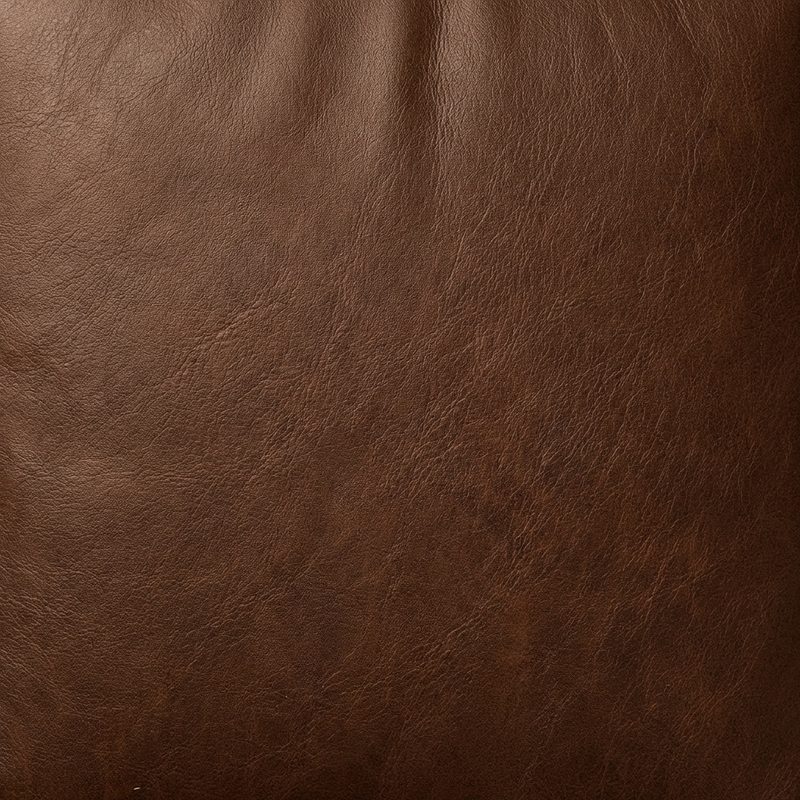
Four visually related systems that are not technically equivalent.
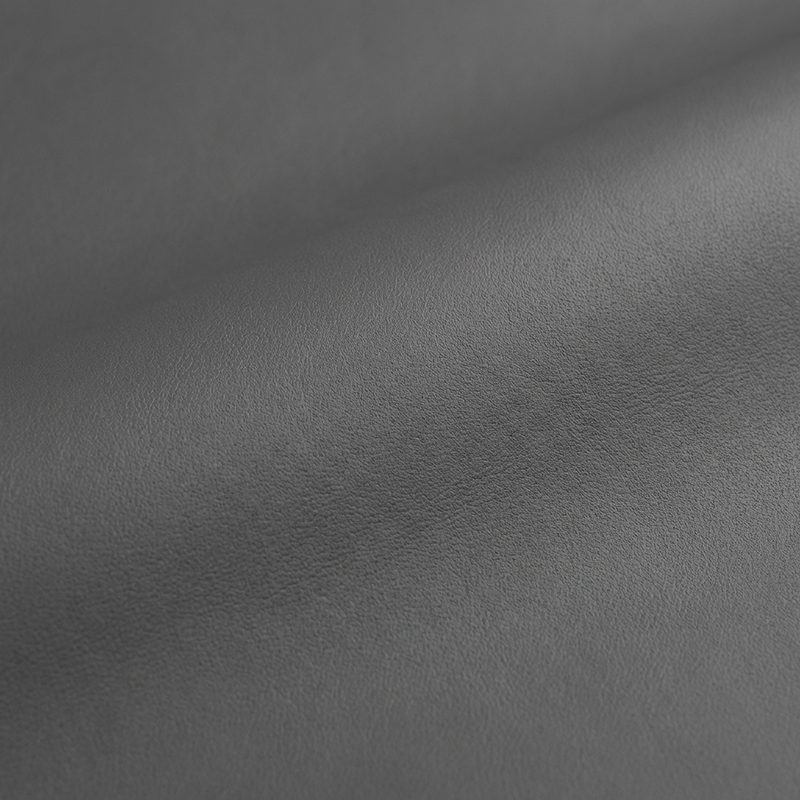
Coated contract surface
- Best use
- F&B, healthcare-style cleaning and high-turnover seating where wipeability is central.
- Trade-off / constraint
- Hydrolysis, coating adhesion, heat and chemical compatibility must be verified.
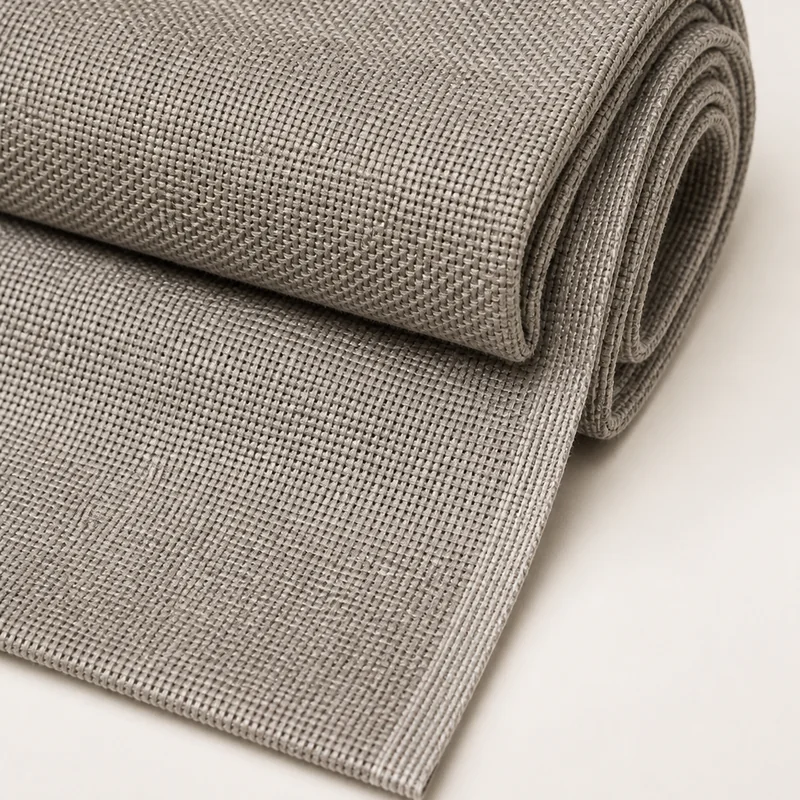
Woven performance textile
- Best use
- General contract upholstery requiring comfort, texture and repairable tailoring.
- Trade-off / constraint
- Snagging, pilling, seam slippage and lot variation remain construction dependent.
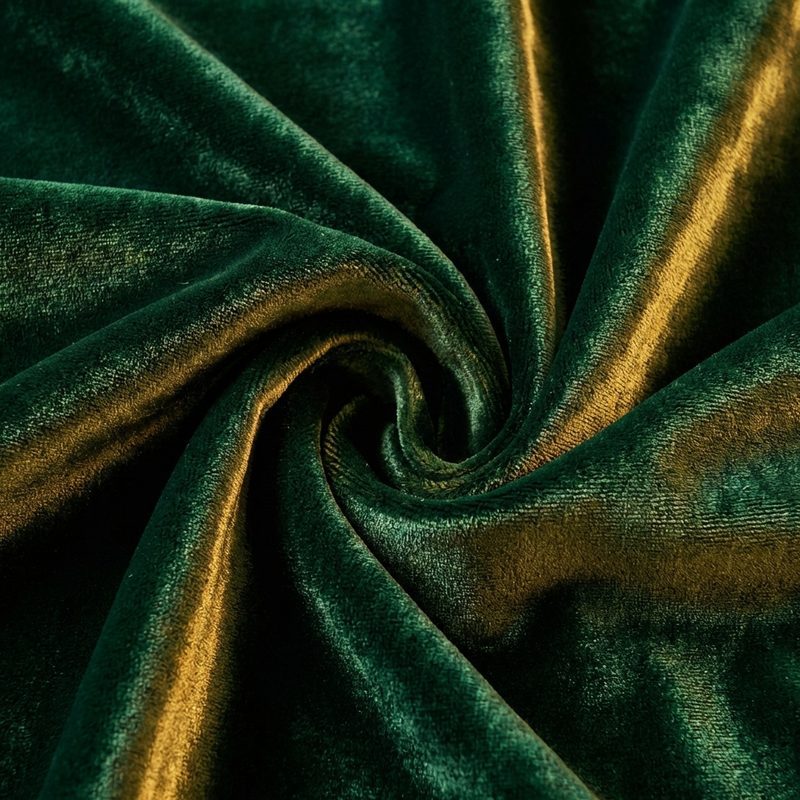
Velvet / pile textile
- Best use
- Luxury guestrooms and controlled public areas where depth and light response matter.
- Trade-off / constraint
- Pile marking, pressure shading and cleaning skill are visible operational issues.
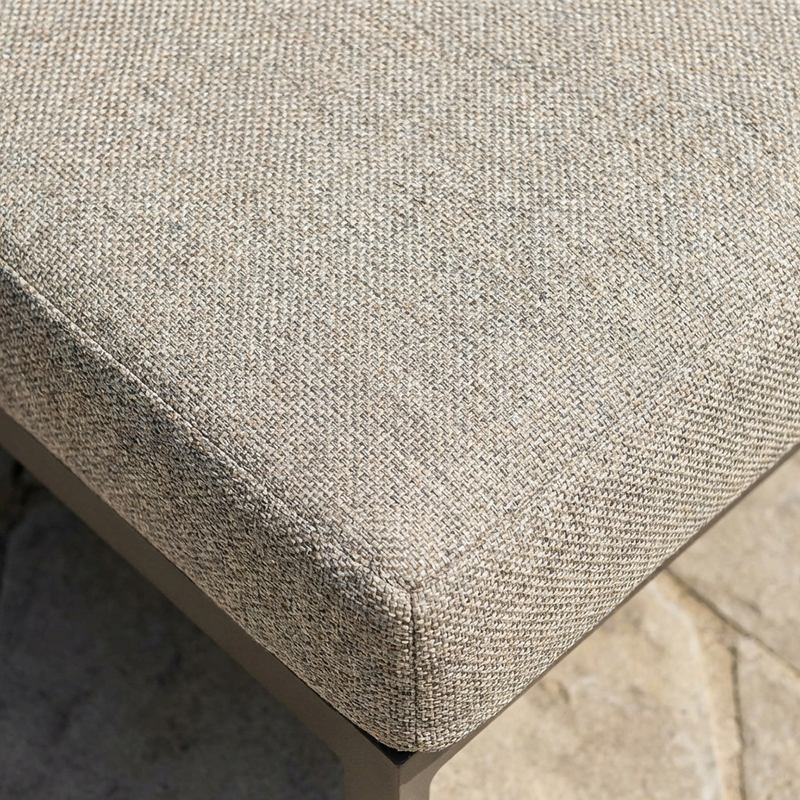
Solution-dyed outdoor textile
- Best use
- Pool, terrace and coastal cushions with a draining, quick-drying complete build-up.
- Trade-off / constraint
- Face-fabric performance cannot compensate for wet foam, trapped water or corroding hardware.
05 · Factory handbook
Hold points from receiving through production release.
Fabrication focus for this exact material
Precondition, align grain, stabilise seams and avoid over-tension that distorts the weave.
-
01Roll receiving
Control instruction
Record article, colour, dye lot, roll length, usable width, defects and face direction before acceptance.
Close-out evidence
Roll map, labels and photographed defect log
-
02Yield engineering
Control instruction
Nest furniture patterns using the approved nap, railroad direction, repeat and matching rule.
Close-out evidence
Cutting plan with net, repeat, waste and attic-stock quantities
-
03Seam prototype
Control instruction
Set needle, thread, stitch, seam allowance, backing and tension on the actual composite.
Close-out evidence
Signed high-stress seam and corner sample
-
04First-off upholstery
Control instruction
Review pattern placement, pile direction, seam grin, puckering, comfort interface and cleanability.
Close-out evidence
Approved first-off under project lighting
-
05Bulk release
Control instruction
Segregate lots, retain controls and prohibit silent backing/treatment substitutions.
Close-out evidence
Production traveller tied to control sample and lot
06 · Climate & operations
GCC exposure matrix and maintenance plan.
Material-specific climate warning
Humidity can alter dimensions and crease set; avoid damp storage and uncontrolled exterior use.
01Air-conditioned guestroom
Preferred- Material response
- Generally stable, but window light and luggage abrasion remain local risks.
- Design control
- Select by item duty; protect window-adjacent colours and high-contact edges.
02High-turnover lobby
Conditional- Material response
- Appearance change, pilling, seam load and cleaning frequency dominate.
- Design control
- Use contract evidence plus full-size first-off and replaceable detailing.
03Food & beverage
Conditional- Material response
- Oils, coloured liquids and repeated chemical cleaning challenge the whole composite.
- Design control
- Approve stain/chemical trials and inaccessible-seam hygiene details.
04Direct sun / atrium
Conditional- Material response
- Colour and polymer ageing accelerate; dark shades may heat strongly.
- Design control
- Require exact-colour light evidence and shade strategy.
05Pool / wet clothing
Avoid- Material response
- Moisture, chlorine, sunscreen and slow drying create staining and microbial risk.
- Design control
- Use an approved outdoor composite with drainage, ventilation and cleanable seams.
06Coastal exterior
Avoid- Material response
- UV, salt, humidity, windborne soil and wet foam act simultaneously.
- Design control
- Only purpose-designed exterior fabric, thread, foam, drainage and hardware qualify.
Operational maintenance plan
Material-specific care rule
Blot rapidly and use low-moisture specialist cleaning to reduce rings and shrinkage.
-
01Each service / daily
Action
Vacuum or brush loose soil in the approved direction; blot fresh spills immediately.
Prohibited
Do not rub a wet stain or flood seams.
-
02After a spill
Action
Identify soil, use the approved dilution and work from edge to centre; rinse only if instructed.
Prohibited
No unlisted solvent, bleach or heat.
-
03Monthly
Action
Inspect high-contact fronts, piping, corners, seams, pile direction and concealed moisture.
Prohibited
Do not wait for foam or backing damage to become visible.
-
04Periodic deep clean
Action
Use the supplier-approved professional method and dry the composite completely before service.
Prohibited
No generic extraction method without backing/foam approval.
-
05Repair / replacement
Action
Use retained same-lot stock where possible; record replacement lot and panel position.
Prohibited
Do not mix a visibly different lot across one furniture face.
07 · Reference library
The language that governs the decision—and where it comes from.
Material glossary
- 01Martindale
- A laboratory abrasion method; the cycle result is method-specific and does not predict years of service.
- 02Wyzenbeek
- A reciprocating abrasion method reported in double rubs; it is not numerically interchangeable with Martindale.
- 03Railroaded
- The pattern or construction can be used across the roll width, affecting seams and yield.
- 04Crocking
- Transfer of colour from the textile by dry or wet rubbing.
- 05Dye lot
- A production batch expected to have closer colour continuity than separately dyed batches.
Professional and standards sources
- 01
ACT
Woven upholstery performance guidelines
Voluntary reference bands for abrasion, pilling, strength, seams and colourfastness.
Open primary source ↗ - 02
ISO
ISO 12947-2 Martindale abrasion
Specimen breakdown determination for textile fabrics.
Open primary source ↗ - 03
- 04
BSI
BS 7176 non-domestic seating
Ignition-resistance classification through tested upholstery composites.
Open primary source ↗
Material-specific technical dossier
Natural Linen Upholstery controls from decision to production.
Every row below is tied to this material’s identity, differentiator, fabrication, exposure or care route; no generic family rows are included in this dossier.
8 unique controls · 5 contextual test applications · 5 material-specific risks
System definition
A natural flax-fibre upholstery with slub, crease and tonal movement as intrinsic character; pure linen trades uniformity and high-abrasion resilience for breathability and tactile authenticity.
Critical decision
Decide whether natural creasing, slubs and relaxed growth are design intent. For harder duty, compare a contract linen blend rather than over-specifying pure linen.
01 · Selection variables
What the material schedule must lock.
01Natural Linen Upholstery: Natural-character range
- What must be declared
- Slub frequency, weave irregularity, crease, shade and batch variation
- Approval basis
- Control sample intentionally includes representative natural variation.
02Natural Linen Upholstery: Dimensional stability
- What must be declared
- Stretch, relaxation, humidity response and recovery after cleaning
- Approval basis
- Prototype remains tailored after conditioning and the approved cleaning process.
03Natural Linen Upholstery: identity declaration
- What must be declared
- Natural linen or linen-rich upholstery; exact fibre blend, finish, weight and performance require article-specific data.
- Approval basis
- Decide whether natural creasing, slubs and relaxed growth are design intent. For harder duty, compare a contract linen blend rather than over-specifying pure linen.
04Natural Linen Upholstery: equivalency boundary
- What must be declared
- Dry natural hand, slubs and relaxed creasing are aesthetic assets in low-traffic interiors.
- Approval basis
- Linen-look polyester is not equivalent to linen-rich construction in handle, creasing, moisture response or ageing.
05Natural Linen Upholstery: factory execution
- What must be declared
- Precondition, align grain, stabilise seams and avoid over-tension that distorts the weave.
- Approval basis
- Control sample intentionally includes representative natural variation.
06Natural Linen Upholstery: GCC exposure control
- What must be declared
- Humidity can alter dimensions and crease set; avoid damp storage and uncontrolled exterior use.
- Approval basis
- Release only when the project detail and maintenance route close this exact exposure risk for Natural Linen Upholstery.
07Natural Linen Upholstery: operational care route
- What must be declared
- Blot rapidly and use low-moisture specialist cleaning to reduce rings and shrinkage.
- Approval basis
- Issue a named cleaning and repair method for Natural Linen Upholstery; generic family care is not approval.
08Natural Linen Upholstery: delivery rejection boundary
- What must be declared
- Reject skew, seam slippage, water rings, excessive shrinkage or variation outside the signed natural range.
- Approval basis
- The signed sample, first-off item and delivery inspection must all close this rejection condition for Natural Linen Upholstery.
| Variable | What must be declared | Approval basis |
|---|---|---|
| 01Natural Linen Upholstery: Natural-character range | Slub frequency, weave irregularity, crease, shade and batch variation | Control sample intentionally includes representative natural variation. |
| 02Natural Linen Upholstery: Dimensional stability | Stretch, relaxation, humidity response and recovery after cleaning | Prototype remains tailored after conditioning and the approved cleaning process. |
| 03Natural Linen Upholstery: identity declaration | Natural linen or linen-rich upholstery; exact fibre blend, finish, weight and performance require article-specific data. | Decide whether natural creasing, slubs and relaxed growth are design intent. For harder duty, compare a contract linen blend rather than over-specifying pure linen. |
| 04Natural Linen Upholstery: equivalency boundary | Dry natural hand, slubs and relaxed creasing are aesthetic assets in low-traffic interiors. | Linen-look polyester is not equivalent to linen-rich construction in handle, creasing, moisture response or ageing. |
| 05Natural Linen Upholstery: factory execution | Precondition, align grain, stabilise seams and avoid over-tension that distorts the weave. | Control sample intentionally includes representative natural variation. |
| 06Natural Linen Upholstery: GCC exposure control | Humidity can alter dimensions and crease set; avoid damp storage and uncontrolled exterior use. | Release only when the project detail and maintenance route close this exact exposure risk for Natural Linen Upholstery. |
| 07Natural Linen Upholstery: operational care route | Blot rapidly and use low-moisture specialist cleaning to reduce rings and shrinkage. | Issue a named cleaning and repair method for Natural Linen Upholstery; generic family care is not approval. |
| 08Natural Linen Upholstery: delivery rejection boundary | Reject skew, seam slippage, water rings, excessive shrinkage or variation outside the signed natural range. | The signed sample, first-off item and delivery inspection must all close this rejection condition for Natural Linen Upholstery. |
02 · Verification
Test and evidence matrix.
Test methods are not compliance certificates or automatic pass values. The project must state the method, required result, tested construction and current report it will accept.
ISO 12947-2 / ISO 12947-4
01- What it measures
- Martindale specimen breakdown and appearance change for uncoated textiles.
- How to use it here
- Specify the applicable part and project acceptance level; a cycle count is not a universal service-life guarantee. Material-specific acceptance for Natural Linen Upholstery: Control sample intentionally includes representative natural variation.
ISO 5470-2
02- What it measures
- Wet and dry abrasion of rubber- or plastics-coated fabric surfaces.
- How to use it here
- Use for coated faux leather/PU faces where ISO 12947 for uncoated textiles is not the correct surface method. Material-specific acceptance for Natural Linen Upholstery: Prototype remains tailored after conditioning and the approved cleaning process.
ISO 105-X12
03- What it measures
- Colour transfer and staining under dry and wet rubbing.
- How to use it here
- Test the exact colour; dark and saturated shades can behave differently from collection averages. Material-specific acceptance for Natural Linen Upholstery: Use suitable duty, engineered backing/cut, replaceable covers or a performance blend.
ISO 105-B02
04- What it measures
- Colour fastness to artificial light representative of daylight.
- How to use it here
- Prioritise for window-adjacent, atrium and exterior applications; state the required rating. Material-specific acceptance for Natural Linen Upholstery: Precondition, align grain, stabilise seams and avoid over-tension that distorts the weave.
BS EN 1021-1 / BS 7176
05- What it measures
- Ignitability of upholstery composites and non-domestic seating hazard classification.
- How to use it here
- The project fire strategy determines the route. Submit evidence for the actual cover/filling composite. Material-specific acceptance for Natural Linen Upholstery: Humidity can alter dimensions and crease set; avoid damp storage and uncontrolled exterior use.
03 · Performance
Failure-mode and control register.
01Natural Linen Upholstery: Bagging, creasing or rapid edge wear
- Likely cause
- Pure linen relaxes, creases and abrades at high-contact edges under intensive turnover.
- Preventive control
- Use suitable duty, engineered backing/cut, replaceable covers or a performance blend.
02Natural Linen Upholstery: non-equivalent substitution accepted
- Likely cause
- Linen-look polyester is not equivalent to linen-rich construction in handle, creasing, moisture response or ageing.
- Preventive control
- Natural linen or linen-rich upholstery; exact fibre blend, finish, weight and performance require article-specific data.
03Natural Linen Upholstery: material signature lost in fabrication
- Likely cause
- The workshop route does not implement the material-specific fabrication focus: Precondition, align grain, stabilise seams and avoid over-tension that distorts the weave.
- Preventive control
- Prototype remains tailored after conditioning and the approved cleaning process.
04Natural Linen Upholstery: GCC exposure mismatch
- Likely cause
- Humidity can alter dimensions and crease set; avoid damp storage and uncontrolled exterior use.
- Preventive control
- Re-detail, relocate or reject Natural Linen Upholstery where the stated exposure cannot be controlled.
05Natural Linen Upholstery: cleaning or maintenance damage
- Likely cause
- Blot rapidly and use low-moisture specialist cleaning to reduce rings and shrinkage.
- Preventive control
- Train operations on the named care route and retain a signed repair reference for Natural Linen Upholstery.
| Failure mode | Likely cause | Preventive control |
|---|---|---|
| 01Natural Linen Upholstery: Bagging, creasing or rapid edge wear | Pure linen relaxes, creases and abrades at high-contact edges under intensive turnover. | Use suitable duty, engineered backing/cut, replaceable covers or a performance blend. |
| 02Natural Linen Upholstery: non-equivalent substitution accepted | Linen-look polyester is not equivalent to linen-rich construction in handle, creasing, moisture response or ageing. | Natural linen or linen-rich upholstery; exact fibre blend, finish, weight and performance require article-specific data. |
| 03Natural Linen Upholstery: material signature lost in fabrication | The workshop route does not implement the material-specific fabrication focus: Precondition, align grain, stabilise seams and avoid over-tension that distorts the weave. | Prototype remains tailored after conditioning and the approved cleaning process. |
| 04Natural Linen Upholstery: GCC exposure mismatch | Humidity can alter dimensions and crease set; avoid damp storage and uncontrolled exterior use. | Re-detail, relocate or reject Natural Linen Upholstery where the stated exposure cannot be controlled. |
| 05Natural Linen Upholstery: cleaning or maintenance damage | Blot rapidly and use low-moisture specialist cleaning to reduce rings and shrinkage. | Train operations on the named care route and retain a signed repair reference for Natural Linen Upholstery. |
04 · Tender-ready
Copy-ready specification clause.
Provide natural linen upholstery, 100% linen reference unless a contract blend is scheduled, for low-to-moderate-duty approved locations. Submit fibre composition, weave/backing, weight, usable width, dimensional stability, abrasion appearance, pilling, seam slippage, dry/wet rub and light fastness, cleaning route and fire evidence. The signed control shall define acceptable slubs, creasing and shade movement. A substitute that merely copies the beige colour but removes the approved natural character is not equivalent.
05 · Quality control
Inspection plan from submittal to handover.
01Natural Linen Upholstery: identity and source
- Inspection
- Natural linen or linen-rich upholstery; exact fibre blend, finish, weight and performance require article-specific data.
- Acceptance / hold point
- Documents, labels and physical material all identify the same Natural Linen Upholstery construction and source.
02Natural Linen Upholstery: control sample
- Inspection
- Dry natural hand, slubs and relaxed creasing are aesthetic assets in low-traffic interiors.
- Acceptance / hold point
- Control sample intentionally includes representative natural variation.
03Natural Linen Upholstery: first-off fabrication
- Inspection
- Precondition, align grain, stabilise seams and avoid over-tension that distorts the weave.
- Acceptance / hold point
- Prototype remains tailored after conditioning and the approved cleaning process.
04Natural Linen Upholstery: exposure and care trial
- Inspection
- Humidity can alter dimensions and crease set; avoid damp storage and uncontrolled exterior use. Blot rapidly and use low-moisture specialist cleaning to reduce rings and shrinkage.
- Acceptance / hold point
- Use suitable duty, engineered backing/cut, replaceable covers or a performance blend.
05Natural Linen Upholstery: delivery release
- Inspection
- Reject skew, seam slippage, water rings, excessive shrinkage or variation outside the signed natural range.
- Acceptance / hold point
- Natural Linen Upholstery is released only when no stated rejection condition is present and the signed reference remains traceable.
| Stage | Inspection | Acceptance / hold point |
|---|---|---|
| 01Natural Linen Upholstery: identity and source | Natural linen or linen-rich upholstery; exact fibre blend, finish, weight and performance require article-specific data. | Documents, labels and physical material all identify the same Natural Linen Upholstery construction and source. |
| 02Natural Linen Upholstery: control sample | Dry natural hand, slubs and relaxed creasing are aesthetic assets in low-traffic interiors. | Control sample intentionally includes representative natural variation. |
| 03Natural Linen Upholstery: first-off fabrication | Precondition, align grain, stabilise seams and avoid over-tension that distorts the weave. | Prototype remains tailored after conditioning and the approved cleaning process. |
| 04Natural Linen Upholstery: exposure and care trial | Humidity can alter dimensions and crease set; avoid damp storage and uncontrolled exterior use. Blot rapidly and use low-moisture specialist cleaning to reduce rings and shrinkage. | Use suitable duty, engineered backing/cut, replaceable covers or a performance blend. |
| 05Natural Linen Upholstery: delivery release | Reject skew, seam slippage, water rings, excessive shrinkage or variation outside the signed natural range. | Natural Linen Upholstery is released only when no stated rejection condition is present and the signed reference remains traceable. |
Required approval evidence
- +Natural Linen Upholstery: Identity/source evidence: Natural linen or linen-rich upholstery; exact fibre blend, finish, weight and performance require article-specific data.
- +Natural Linen Upholstery: Signed selection evidence: Control sample intentionally includes representative natural variation.
- +Natural Linen Upholstery: Second technical gate: Prototype remains tailored after conditioning and the approved cleaning process.
- +Natural Linen Upholstery: Factory close-out: Precondition, align grain, stabilise seams and avoid over-tension that distorts the weave.
- +Natural Linen Upholstery: Exposure and care record: Humidity can alter dimensions and crease set; avoid damp storage and uncontrolled exterior use. Blot rapidly and use low-moisture specialist cleaning to reduce rings and shrinkage.
- +Natural Linen Upholstery: Delivery rejection record: Reject skew, seam slippage, water rings, excessive shrinkage or variation outside the signed natural range.
Questions to close before approval
- 01Natural Linen Upholstery: Has the exact identity been declared and evidenced: Natural linen or linen-rich upholstery; exact fibre blend, finish, weight and performance require article-specific data?
- 02Natural Linen Upholstery: Which project requirement makes this differentiator necessary: Dry natural hand, slubs and relaxed creasing are aesthetic assets in low-traffic interiors?
- 03Natural Linen Upholstery: Has the team excluded the non-equivalent route: Linen-look polyester is not equivalent to linen-rich construction in handle, creasing, moisture response or ageing?
- 04Natural Linen Upholstery: How will the factory prove this execution control: Precondition, align grain, stabilise seams and avoid over-tension that distorts the weave?
- 05Natural Linen Upholstery: Can the project control this GCC exposure: Humidity can alter dimensions and crease set; avoid damp storage and uncontrolled exterior use?
- 06Natural Linen Upholstery: Who owns this operating rule after handover: Blot rapidly and use low-moisture specialist cleaning to reduce rings and shrinkage?
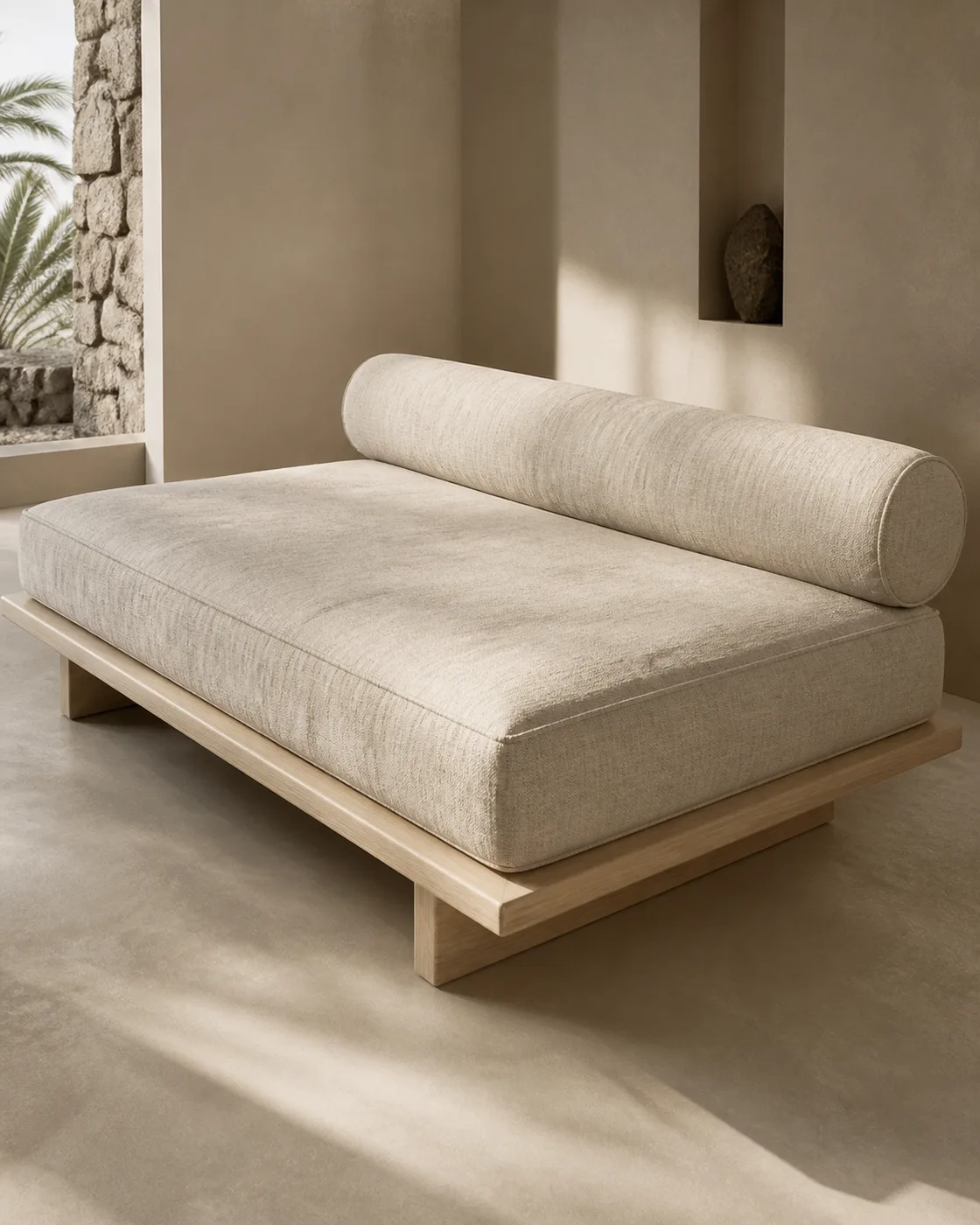
Exact material application
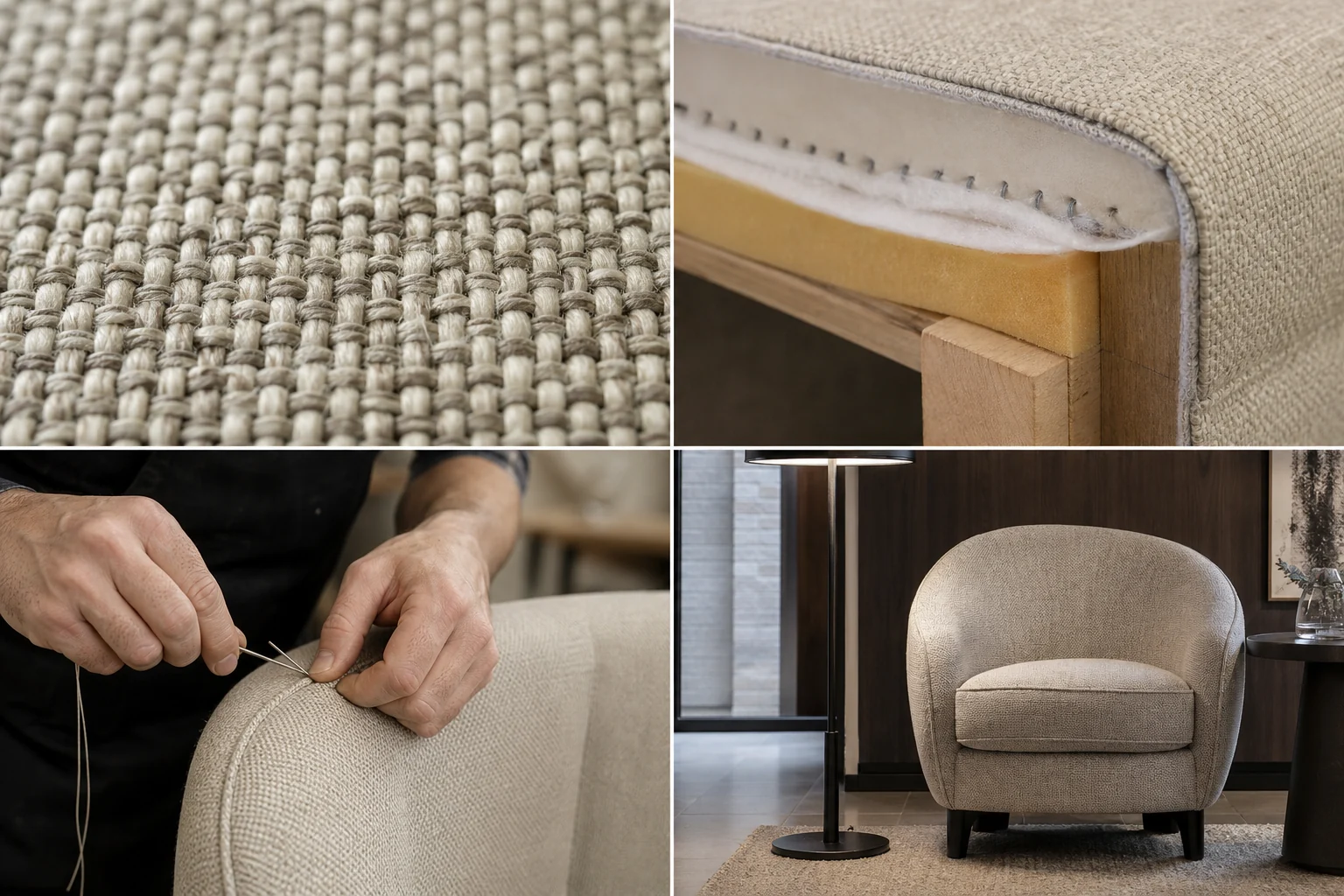
Natural Linen Upholstery on a dedicated furniture product.
This material-specific application image shows Natural Linen Upholstery on its own product and is not reused by any other material page. Final colour, pattern and finish remain subject to the approved physical sample.
Project notes
From sample to production.
01
What to specify
Specify abrasion, cleaning method, flame performance, lightfastness, colourfastness, pilling, width and repeat according to the exact furniture location. “Contract grade” alone is not a complete specification.
02
Fabrication & detailing
Confirm repeat, direction, seam placement, FR interliner and foam compatibility before cutting. High-contact furniture should use replaceable covers or serviceable upholstery details where practical.
03
Colour & finish approval
Colour, texture, pile direction and dye-lot variation are approved from a current cutting. Pattern alignment and railroad suitability are checked against the furniture drawing.
04
Care & maintenance
Vacuum gently and blot spills immediately. Use only the cleaning method approved for the selected fibre and finish; test any agent on a concealed sample first.
Specification note
This page is a preliminary specification guide. No value, brand reference or material name constitutes automatic compliance. Current product data, test reports, physical sample or slab and the furniture construction must be approved for each project before ordering or manufacture.
Related materials